



A medically supervised alcohol detox provides assessment, treatment and monitoring while someone with alcohol dependence withdraws. Its purpose is to reduce the risk of complications and support the next stage of care. It is not simply a process of “flushing out” alcohol. [1, 2]
If you shake, sweat or feel unwell when drinking is delayed, seek medical advice before stopping suddenly. Call 999 for severe withdrawal such as seizures, hallucinations or marked confusion. [3]
Before detox: an assessment
The team asks about drinking, previous withdrawal, other substances, prescribed medicines and physical and mental health. Explain any previous seizures, hospital admissions or difficulties during withdrawal.
These details help clinicians decide the setting and level of support. Community care, residential care, specialist inpatient treatment and acute hospital care serve different needs. [1]
Choosing a suitable setting
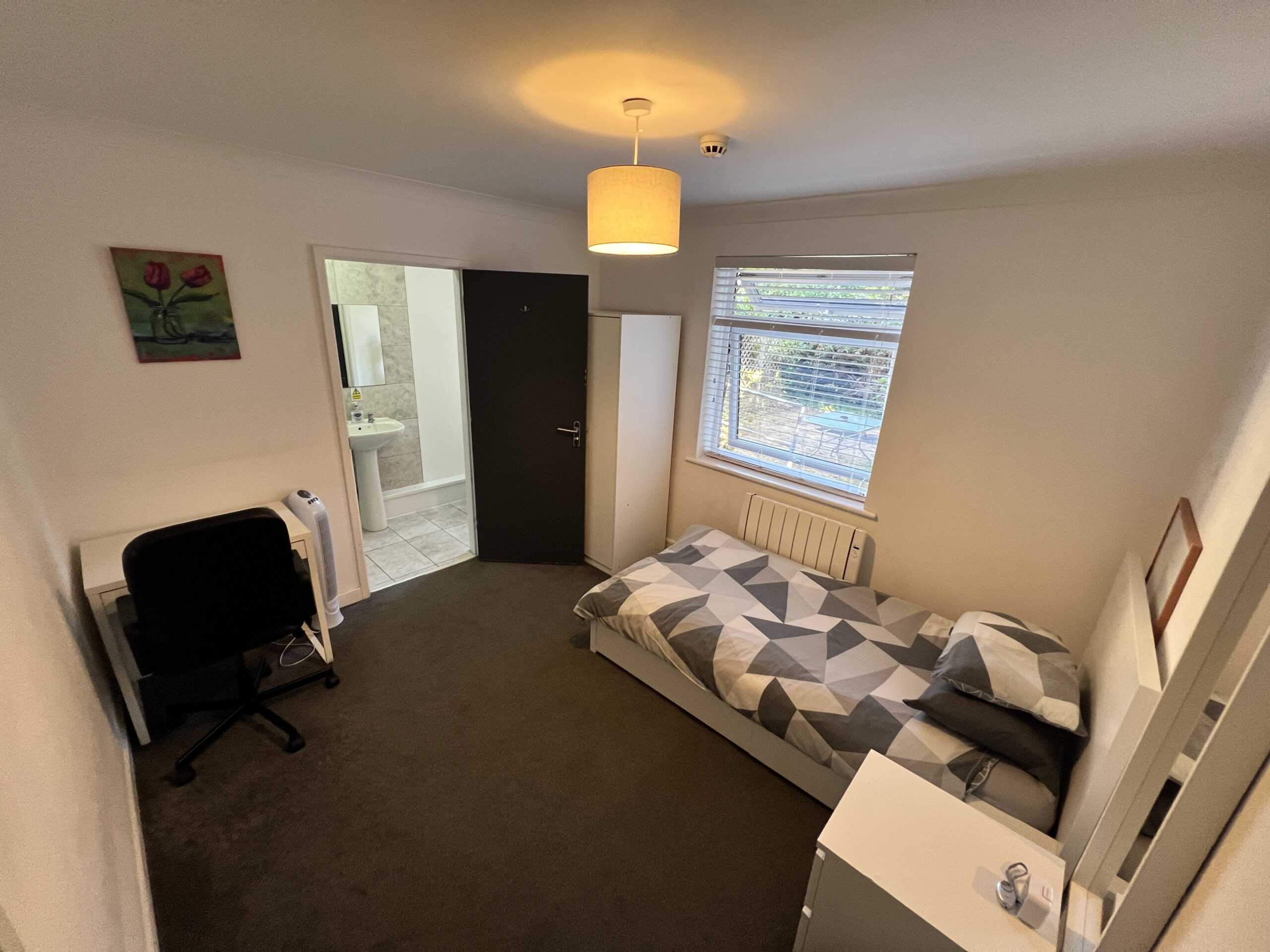
Our alcohol detox service is based at The Lighthouse in Essex. Residential care is offered when clinically appropriate; a person needing hospital-level care should be directed to that setting.
London and Birmingham are outpatient services. Do not assume an outpatient appointment provides residential withdrawal monitoring.
What happens during detox?
| Stage | What to expect |
|---|---|
| Assessment | Review of alcohol use, health, medicines and withdrawal history. |
| Treatment plan | An individual approach agreed by the clinical team. |
| Monitoring | Checks of symptoms and wellbeing, with changes to care where needed. |
| Next steps | Planning continuing treatment and recovery support. |
Medication may be prescribed to manage withdrawal, with appropriate attention to nutrition and vitamin needs. The exact regimen belongs to the treating clinician, not an online article. [2]
Will I feel uncomfortable?
Symptoms and experiences vary. Tell staff if you feel worse, cannot sleep, feel anxious or have another concern. Do not assume you must tolerate distress without review.
Medically supervised care aims to manage risk and respond to symptoms. It cannot honestly promise a completely symptom-free experience.
Is seven days enough?
Some people complete acute withdrawal care within a short stay; others need longer or a different setting. The duration should follow clinical need and response.
Finishing withdrawal is not the same as completing addiction rehabilitation. Ask what treatment and support follow the detox period.
What happens afterwards?
A continuing plan may involve counselling, other psychological support, recovery groups and medical review. Medication to support alcohol recovery may be considered where appropriate. [2]
Our residential treatment in Essex and aftercare information explain parts of that wider journey. Ask exactly what is included in your proposed programme.
If you are arranging help for someone else
You can support them to seek assessment and provide useful information about your concerns. Treatment and family updates still need appropriate consent.
Do not attempt a home detox or give someone else’s medication. Our admissions guide explains how to start a conversation with the team.
Practical questions before admission
Ask what to bring, how medicines are managed, what clinical cover is provided and what would happen if hospital transfer became necessary. Check the cost of treatment, transport and written terms.
Frequently asked questions
Can I stop drinking while waiting for admission?
If dependent, get individual medical advice before changing your drinking. An admission date does not itself make sudden withdrawal safe.
Does everyone need residential detox?
No. The setting depends on assessed risk and support needs.
Who can explain the options?
Contact our team on 0800 170 1222 for assessment information. For an immediate medical emergency, call 999.
References
- UK alcohol treatment guidelines: specialist inpatient withdrawal — Read guidance
- UK alcohol treatment guidelines: pharmacological interventions — Read guidance
- NHS: alcohol-use disorder — Read NHS guidance
Service details: supplied source draft and the linked SBS service pages. This article provides general information, not an individual diagnosis or treatment plan.