Pregabalin can help people manage nerve pain, epilepsy and generalised anxiety disorder. It can also cause dependence, withdrawal and, for some people, addiction. Understanding those risks helps you make informed decisions without assuming that everyone taking it has a problem. [1, 2]
If you are worried about how much you take, feel unwell after missing a dose or use pregabalin with alcohol, speak to a healthcare professional. You do not have to wait until things become unmanageable.
Do not suddenly stop regular pregabalin without medical advice. If someone is difficult to wake, breathing abnormally, unconscious or having a seizure, call 999. [3, 7]
What is pregabalin?
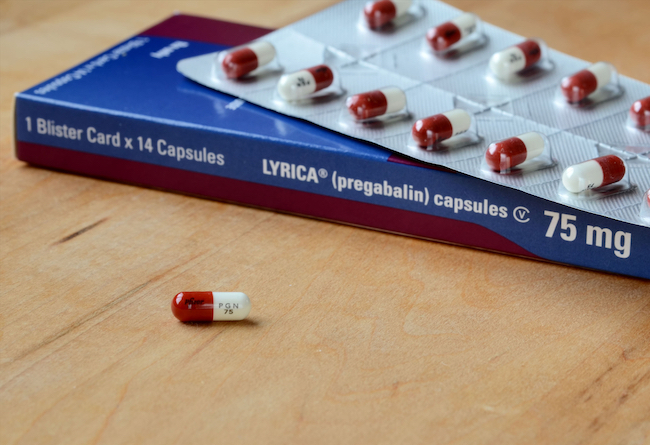
Pregabalin is a prescription medicine in a group called gabapentinoids. It is not an opioid. Lyrica is one brand name; other brands contain the same active medicine. It is prescribed for certain types of nerve pain, epilepsy and generalised anxiety disorder. [1, 4]
Sleepiness and dizziness are recognised side effects. These symptoms alone do not establish addiction, but they should be discussed if they are persistent, troublesome or affecting daily activities. [1]
A prescription can be appropriate and beneficial while still needing regular review. If you have concerns, the aim is to review both the medicine and the condition it was prescribed to treat.
Dependence, tolerance and addiction: what is the difference?
These terms describe different experiences. [2]
Physical dependence means your body has adapted to the medicine, so reducing or stopping it can cause withdrawal symptoms.
Tolerance means the same dose has less effect over time. Feeling that you need more should prompt a review, rather than an increase you make yourself.
Addiction involves a strong urge to take the medicine and difficulty controlling its use, including continuing despite harm.
They can overlap, but physical dependence does not necessarily mean addiction. Withdrawal symptoms are not proof that someone has misused their prescription. These risks can occur at prescribed doses as well as during non-medical use. [2]
Signs that pregabalin use needs a review
It is worth speaking to your prescriber if you are taking more than prescribed, repeatedly running out early, obtaining extra supplies or using pregabalin for reasons other than your agreed treatment. Cravings or feeling unable to control your use are also reasons to ask for help. [2]
You may feel embarrassed about explaining what has changed. Try to describe your actual use, including tablets obtained outside a prescription. Your clinician needs an accurate picture to make safer decisions.
If you are concerned about someone else, describe what you have noticed without trying to diagnose them. A change in behaviour or unusual sleepiness can have several explanations.
Pregabalin and alcohol: why mixing them is risky
Avoid drinking alcohol while taking pregabalin. The combination can increase sleepiness, affect concentration and interfere with breathing. Being prescribed pregabalin does not make drinking alongside it safe. [4, 5]
Other substances matter too. Opioids, benzodiazepines and other medicines that depress the central nervous system can increase concern about sedation and breathing problems. Pregabalin has also been linked to infrequent reports of severe respiratory depression without opioids being involved. [4]
People with breathing or neurological conditions, kidney impairment, those over 65 and people taking other sedating medicines may be at greater risk. Tell your prescriber about relevant health conditions and every medicine or substance you take. [4]
There is no universally safe number of drinks or waiting interval this article can give you. Ask your prescriber or pharmacist about your circumstances rather than calculating safety from the time since your last dose.

What if I have already mixed pregabalin and alcohol?
If someone is difficult to wake, has slow or irregular breathing, collapses or has a seizure, call 999 immediately. Do not leave them to “sleep it off”. [7]
If they are unconscious but breathing normally, put them in the recovery position and monitor their breathing. If they are unresponsive and not breathing normally, follow the call handler’s CPR instructions. Do not give food or drink or try to make them vomit. [7]
If there are no emergency signs but you are worried, contact NHS 111 for individual advice. Explain what was taken, how much and when. Do not drive, take extra pregabalin or add other sedatives. Ask specifically what to do about your next prescribed dose rather than deciding to skip, double or stop regular treatment yourself. [5, 7]
If you are also dependent on alcohol, say so. Suddenly stopping dependent drinking can cause dangerous withdrawal, including seizures. A single incident needs assessing, and ongoing dependence needs a separate clinical plan. [8]
Pregabalin withdrawal symptoms
Withdrawal symptoms can develop when pregabalin is reduced or stopped. They can occur after prescribed treatment and may affect both physical and emotional wellbeing. [2, 3]
Symptoms can include anxiety, agitation or panic attacks; difficulty sleeping; sweating or shaking; restlessness; palpitations; nausea; and pain. [3, 5]
Stopping suddenly can cause serious problems. In particular, if pregabalin is prescribed for epilepsy, abrupt stopping can trigger seizures that do not stop. Do not change epilepsy treatment without medical guidance. [3]
You should not feel you have to endure symptoms to prove that you can stop. Contact your clinician if symptoms develop or become difficult to manage.

How long does pregabalin withdrawal last?
There is no reliable timetable that applies to everyone. The time needed to reduce the medicine and the duration of symptoms are different questions. A fixed day-by-day guide can give a misleading impression of what you should expect.
Withdrawal experiences vary. NICE advises that symptoms can change over time, be delayed or persist, and may be difficult to distinguish from the original condition returning. Dose reductions need review and adjustment according to the person’s response. [6]
Tell your clinician when symptoms began, what changed in your dose and how they compare with previous pain or anxiety. This helps them assess what is happening.
What does a supervised reduction involve?
Your clinician should agree a plan with you, explain what to expect and arrange reviews. They should consider your usual dose, length of treatment, previous withdrawal, other medicines, health and available support. [6]
The plan should also address the reason you started pregabalin. Pain, anxiety or epilepsy still needs appropriate treatment while medication changes are considered.
This article does not provide a tapering schedule. A generic online schedule cannot account for your circumstances. If symptoms become intolerable, contact the clinician overseeing the plan before making further changes. [6]
What if I have already stopped or run out?
Contact your prescriber or pharmacist promptly. If they are unavailable, NHS 111 can advise on urgent next steps. Explain your usual dose, when you last took it and any symptoms, especially if you take it for epilepsy. [3]
Do not double a dose or restart an old high dose on your own. If your supply was not prescribed, explain that too. You still deserve appropriate medical advice.

Getting help for pregabalin addiction
Not everyone experiencing dependence or withdrawal needs residential rehab. Some people can receive support through their prescriber in the community. Where there is loss of control, use of several substances or more complex health needs, specialist addiction assessment may be appropriate.
A useful assessment should look beyond the amount you take. Explain what pregabalin does for you, what you fear might happen without it and whether pain, anxiety, sleep or other substances are part of the picture.
Where addiction is present, reducing a medicine may be only one part of recovery. Discuss support for cravings, coping with difficult feelings and maintaining changes after treatment.
If alcohol is also involved, our alcohol addiction information explains how to recognise a developing problem. Our alcohol detox guide describes why dependent drinking needs assessment before withdrawal. [9, 10]
You can read about The Lighthouse, our residential clinic in Essex, and discuss with the team whether this setting is appropriate for your needs.
You can speak to Step by Step Recovery about appropriate addiction treatment options. Suitability for any programme should be assessed individually. Ask what medical support is available and how an ongoing medication reduction would be coordinated before agreeing to treatment.
Supporting someone you love
Start with what you have noticed and ask how they are feeling. “You seem worried about running out” may open a more useful conversation than labelling them.
Offer practical help, such as arranging an appointment or attending with their permission. Do not take over their medication, share tablets or invent a withdrawal plan.
If they become unconscious or their breathing changes, seek emergency help. A planned conversation about treatment can wait until the immediate danger has been addressed.
Frequently asked questions
Can I become dependent while taking the prescribed dose?
Yes. Physical dependence can develop during prescribed treatment. It does not automatically mean addiction or that the original prescription was inappropriate. Ask for an individual review of the current benefits and risks. [2]
Is Lyrica different from pregabalin?
Lyrica is a brand name for pregabalin. The same concerns about withdrawal and interactions apply. [1, 4]
Can I stop pregabalin if it no longer seems to help?
Discuss this with your prescriber. Do not stop abruptly or increase the dose yourself. Your treatment and any reduction need an agreed plan. [3, 6]
Does withdrawal mean I need addiction treatment?
Not necessarily. Withdrawal can reflect physical dependence. Addiction assessment considers control over use and its wider effects, alongside your medical needs. [2]
Taking the next step
If you are worried about pregabalin, start with a conversation with your prescriber. If your use is becoming difficult to control, you can also contact Step by Step Recovery on 0800 170 1222 to discuss seeking addiction support. [9]
You do not need to have everything worked out before asking for help. Explain what you take, what has changed and what concerns you. That is enough to begin.
References
[3] NHS — How and when to take pregabalin
[4] MHRA — Pregabalin (Lyrica): reports of severe respiratory depression
[5] NHS — Common questions about pregabalin
[6] NICE NG215 — Medicines associated with dependence or withdrawal symptoms: recommendations
[7] NHS — Poisoning
[8] NHS — Alcohol-use disorder