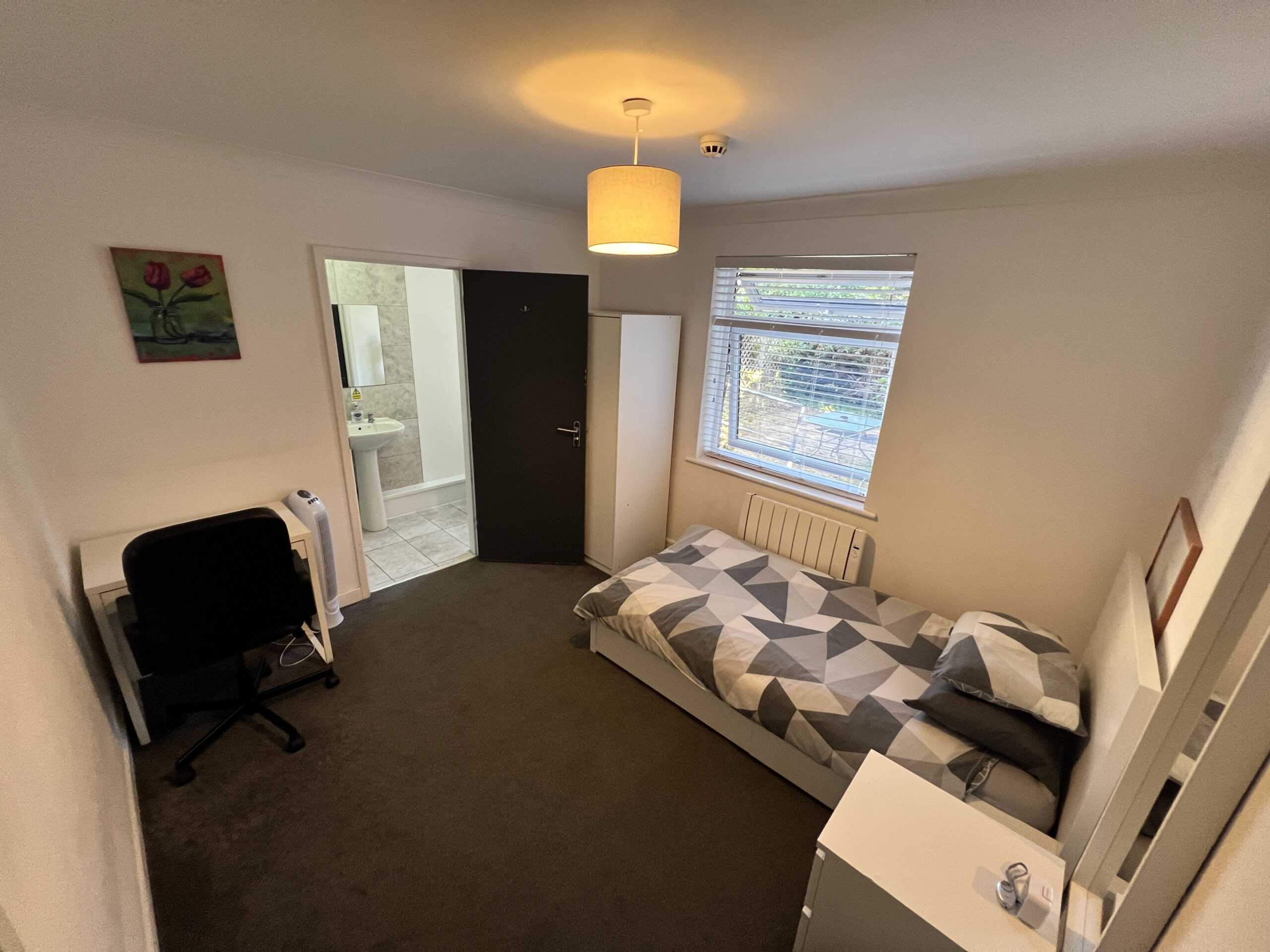


There is no single length of rehab that suits everyone. A residential stay may last weeks or longer, while community treatment and continuing recovery support can follow a different timetable. Detox, rehabilitation and recovery are related, but they are not interchangeable. [1]
The useful question is what care you need and how the proposed time will help you receive it.
Detox, rehab and recovery: what is the difference?
| Part of care | Main purpose |
|---|---|
| Detox or withdrawal management | Assess and manage the immediate effects of reducing or stopping a substance. |
| Rehabilitation | Work on patterns of use, coping skills, relationships and recovery planning. |
| Continuing care | Support changes in everyday life after initial treatment. |
Not everyone needs detox, and not everyone needs residential treatment. Some people need specialist inpatient or hospital care. Assessment should determine the setting. [1, 2]
Is 14 days or 28 days enough?
A 14-day stay may form part of a suitable plan for some people. Others need longer or a different service. Four weeks is a common programme format, not a guarantee that recovery is complete.
Ask what the proposed stay includes, how much therapeutic work is planned and how progress will be reviewed. Our admissions process provides a starting point for that discussion.
What affects the recommended duration?
The assessment should consider the substances involved, previous withdrawal, physical and mental health, earlier treatment, support at home and what you want to achieve.
Care should reflect individual need rather than automatically fitting every person into the same package. [1, 3]
How long does alcohol detox take?
Duration varies with the clinical situation and treatment response. Do not use an online timeline to decide when it is safe to withdraw or leave care.
If you have physical dependence, seek medical advice before stopping suddenly. Read about medically supervised alcohol detox and alcohol addiction. Severe confusion, hallucinations or seizures require emergency help.
What happens during a residential stay?
At our residential clinic in Essex, the plan can involve therapeutic work, structured support and preparation for life after treatment. We only treat a maximum of 11 clients at any one time.
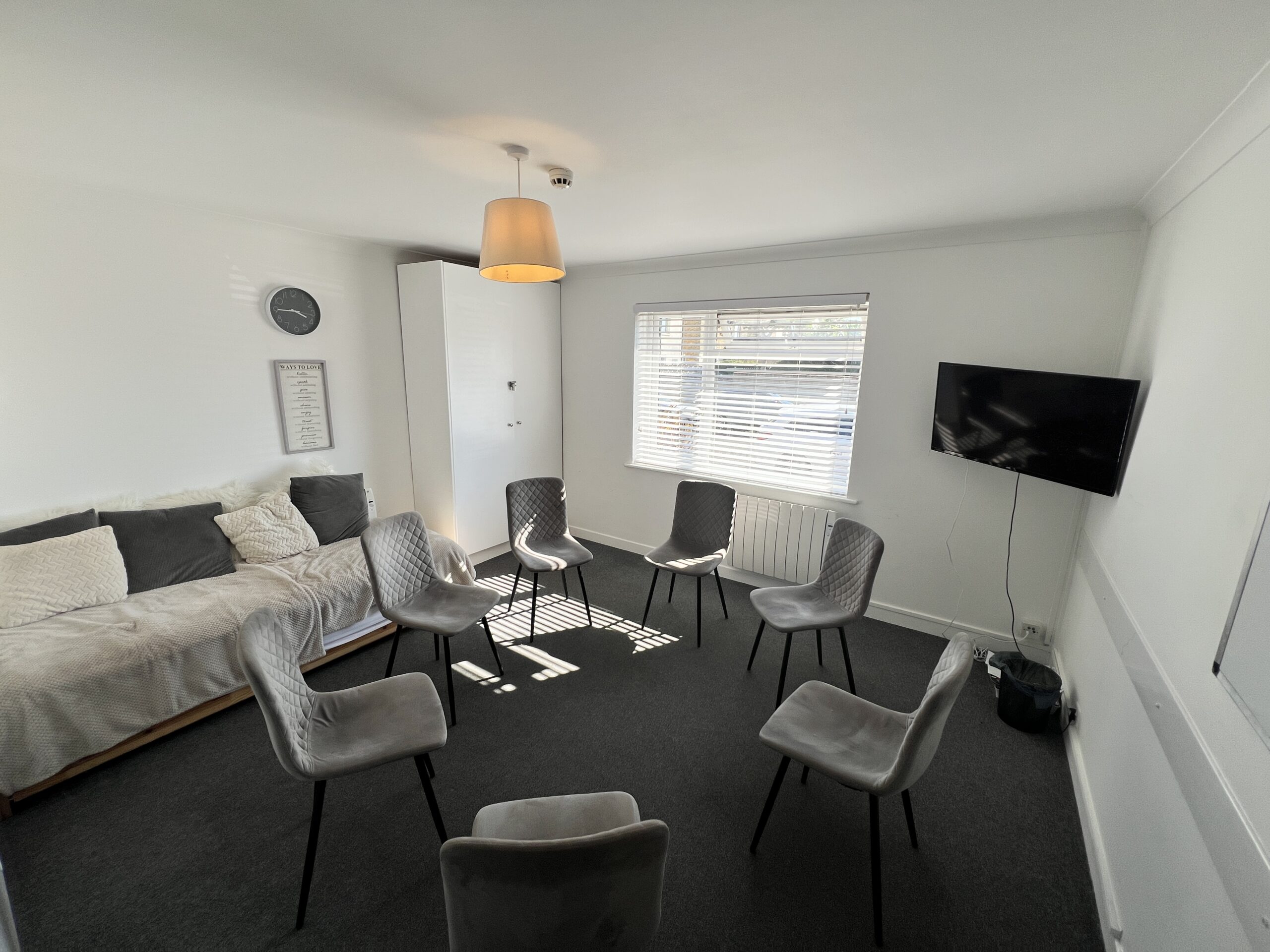
Ask about the actual weekly timetable, individual sessions and how your needs will be reviewed. A room reservation and a clinical treatment plan are different things.
What if I need longer or want to leave sooner?
Discuss concerns with the treatment team early. An extension should have a clear purpose, clinical reasoning and a written explanation of additional costs. Leaving earlier should include a discussion of risks and a realistic follow-on plan.
Read the cost of treatment information and ask about notice, refunds and extensions before booking. Do not assume terms from another clinic apply.
Recovery after the residential stay
Returning home can bring familiar pressures. Plan appointments, support and daily routines before discharge.
Ask about aftercare, eligibility and how to reconnect if things become difficult. Families also need to understand what support is available to them.
Frequently asked questions
Is a longer stay always better?
No. Suitability depends on needs, the quality of care and the continuing plan.
Can I recover while living at home?
For some people, community treatment is appropriate. A clinical assessment can explain the options.
Can I discuss duration before committing?
Yes. Contact our team on 0800 170 1222 to talk through assessment, programme options and practical concerns.
References
[1] UK alcohol treatment guidelines: residential treatment.
[2] UK alcohol treatment guidelines: specialist inpatient withdrawal.
[3] UK alcohol treatment guidelines: psychosocial interventions.