

Call 999 now if someone has chest pain, a seizure, serious breathing difficulty, severe overheating or collapses after taking cocaine. You do not need to be certain it is an overdose before asking for emergency help. [1]
If you are reading this while someone is unwell, make the call first. An enquiry to a rehab clinic is not a substitute for emergency medical care.
What to do while waiting for an ambulance
- Tell the call handler where you are, the symptoms and anything you know about what was taken.
- If the person is unresponsive and not breathing normally, start CPR and follow the call handler's instructions. Gasping is not normal breathing.
- If they are unresponsive but breathing normally, use the recovery position and keep checking their breathing.
- During a seizure, clear nearby hazards and protect their head. Do not restrain them or put anything in their mouth.
- Stay with them if it is safe. Do not give more drugs, alcohol, food or drink, and do not leave them to “sleep it off”. [3–5]
- If you are the person feeling unwell, do not drive yourself to hospital. Tell the call handler if you are alone.
What are the signs of a cocaine overdose?
Cocaine can put dangerous strain on the heart, circulation and brain. Warning signs include:
- Chest pain, a pounding or very fast heartbeat.
- Overheating, severe sweating or becoming very hot.
- Seizures, collapse or loss of consciousness.
- Difficulty breathing.
- Severe confusion, agitation, paranoia or hallucinations.
- Stroke-like symptoms, such as facial weakness, arm weakness or difficulty speaking. [1,7]
Not everyone has every symptom. Someone may still be awake and talking while seriously unwell. Do not wait for them to become unconscious before calling for help.
Can a small amount cause serious harm?
There is no reliable amount that guarantees safety. Strength, repeated use, other substances and individual health can all change the risk. Appearance and a seller’s description do not tell you the exact contents. [1,7]
Taking more because the initial effects seem to be fading can add to the strain. A person who has used cocaine before can still experience a serious reaction.
Why cocaine and alcohol increase the risk
Alcohol does not protect against cocaine’s effects. Using them together adds risk, including cardiovascular harm. It can also make it harder to judge how much you have used or recognise that you need help. Tell emergency staff about alcohol and any other substances involved. [1,7]
Be honest about prescribed medicines too. The information helps clinicians choose appropriate care. If you do not know what was taken, say so rather than guessing.
Does naloxone treat a cocaine overdose?
Naloxone reverses opioid-related breathing suppression. It does not reverse cocaine’s stimulant effects. However, someone may also have taken an opioid, or the contents of an illicit drug may be uncertain. [6]
If an opioid overdose is suspected and naloxone is available, give it according to its instructions and the emergency call handler’s advice. Do not delay 999, CPR or other first aid to look for it. Even if the person improves, medical care is still needed. [6]
What happens after the immediate emergency?
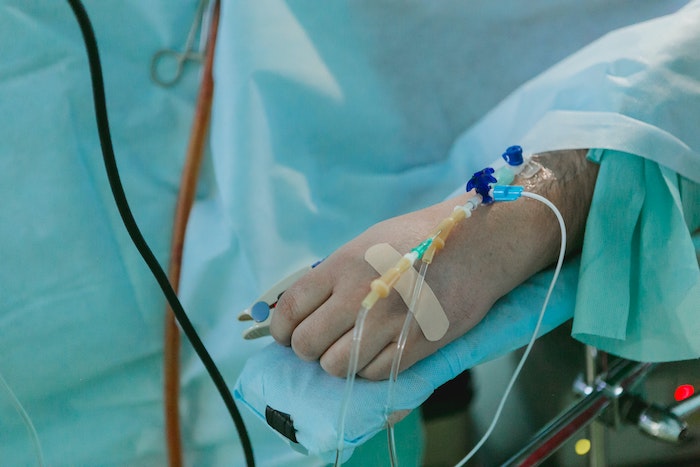
Hospital assessment and treatment depend on the symptoms and substances involved. Follow the discharge advice and attend any recommended follow-up. New or returning serious symptoms require urgent help.
Once you are medically safe, the next conversation is about reducing the chance of another crisis. Think about what led up to the event: the setting, alcohol, repeat use, pressure from others or an intention to stop that did not hold.
An overdose does not by itself diagnose addiction. Equally, you do not have to use every day to need treatment. Repeatedly being unable to cut down is a reason to seek an assessment. [2]
Getting help with cocaine use
You can speak to your GP or contact a local drug treatment service directly. Talking therapies and structured support are established treatment options. Some people can receive care while living at home; others may benefit from a more intensive setting. [2]
If you are considering private care, ask about the clinician responsible for assessment, how mental health needs are managed and the plan after treatment. Our guide to drug rehabilitation and explanation of what happens in rehab can help you prepare.
Discussing treatment with our team
Step by Step Recovery provides residential treatment at The Lighthouse in Essex. Suitability needs assessment, including any recent emergency care and current medical or mental health needs.
You can read about admissions, ask about aftercare or contact the team when the immediate medical situation has been addressed.
Frequently asked questions
Should I wait to see whether chest pain settles?
No. Chest pain after cocaine needs emergency assessment. Call 999. [1]
Can someone overdose without being addicted?
Yes. Acute poisoning and addiction are different problems. A single episode of use can lead to serious harm.
What if someone refuses help?
Call 999 for serious symptoms, explain the situation and follow the call handler’s advice. Avoid an argument or physical confrontation.
Can a family member speak to a treatment service?
Yes. You can ask for advice about your concerns and support for yourself. If someone is unwell now, use emergency services first.