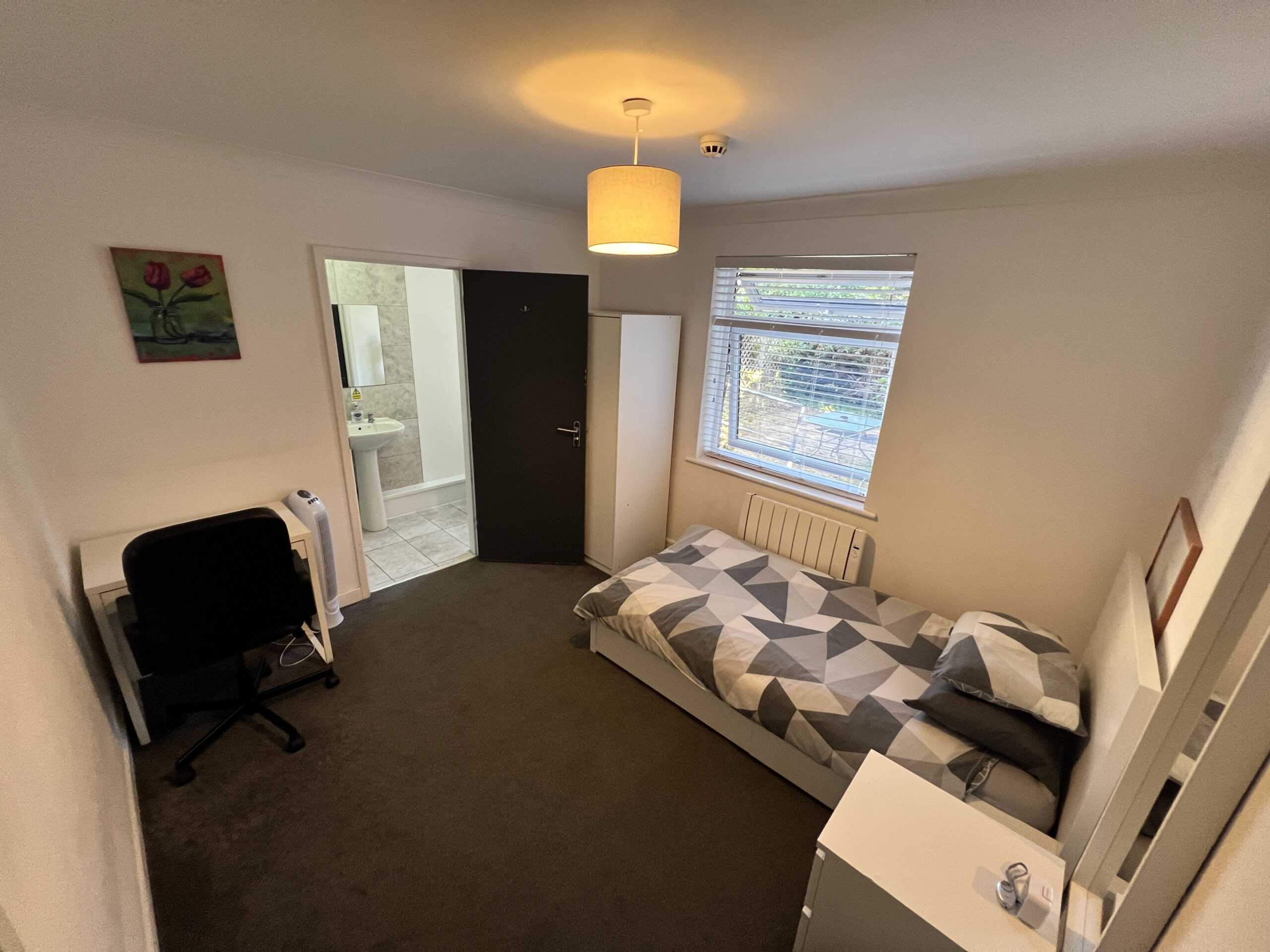



After rehab, the next stage is putting recovery into everyday life. That usually means a continuing care plan, practical routines, appropriate health follow-up and people you can contact when things become difficult.
Leaving a structured setting can bring relief and uncertainty at the same time. Planning before discharge helps you know what support comes next. [1]
What is rehab aftercare?
Aftercare is support following an initial period of treatment. It may include group sessions, individual appointments, recovery networks or check-ins. The format, cost and eligibility vary between services.
Free lifetime aftercare is available to all clients, regardless of the length of their treatment programme. Ask about attendance and joining arrangements before admission.
Your first week after rehab
| Area | Agree before leaving |
|---|---|
| Appointments | Dates, location and contact details for follow-up. |
| Medication | An up-to-date plan and who will review it. |
| Daily routine | Realistic plans for sleep, meals, work and recovery support. |
| People | Who you can call and what help you would like. |
| Difficult moments | A written plan for rising cravings or a return to use. |
Keep the plan manageable. A crowded diary can be as difficult to sustain as having no structure at all.
What is relapse prevention?
Relapse prevention helps you recognise situations that make using more likely and practise ways to respond. It can involve understanding triggers, asking for help earlier and reviewing what is or is not working.
It is not a guarantee, and relapse is not inevitable. Appropriate medicines can also be considered in some alcohol recovery plans alongside psychological support. [1, 3]
What if I drink or use drugs again?
Contact your treatment team or another suitable service promptly. Be honest about what happened so the plan can be reviewed. A return to use does not erase previous progress, but it can require more support. [2]
After abstinence, tolerance to some drugs can fall, so returning to previous patterns may be particularly dangerous. Do not assume an old amount is safe. Seek urgent medical advice if you are unwell; call 999 for collapse, seizures, severe breathing problems or inability to wake someone.

Returning to family life
You and your family may have different expectations. Agree practical boundaries and how you will talk about concerns. Rebuilding trust can take longer than the residential stay.
Families should have their own support rather than becoming the sole safety net. Ask about The Lighthouse’s weekly online Family Group and joining arrangements.
Going back to work and other responsibilities
Discuss a realistic return rather than treating your first day home as a test of recovery. You may need appointments, rest and time to build a routine.
If you need workplace adjustments, ask the appropriate professional for advice. Do not assume an article can determine your employer’s obligations or what you must disclose.
Continuing support at Step by Step Recovery
Our residential clinic in Essex is one part of a wider plan. London and Birmingham provide outpatient services, rather than residential detox.
Before booking, use the admissions process to ask about aftercare eligibility, frequency, delivery, family access and what happens if you need a higher level of care. Check treatment costs and inclusions in writing.
If you are still physically dependent on alcohol, seek advice before stopping abruptly. Our alcohol detox information explains assessment and withdrawal care.
Frequently asked questions
Does leaving rehab mean treatment is finished?
It may end a residential stay, but ongoing care and recovery support may continue.
Can I ask for help after a setback?
Yes. Seek help promptly rather than waiting until the situation worsens.
Who can explain the options?
Contact our team on 0800 170 1222 to discuss current support and next steps.
References
[1] UK alcohol treatment guidelines: psychosocial interventions
[2] WithYou: what to do after a lapse or relapse
[3] UK alcohol treatment guidelines: pharmacological interventions
Service details: supplied source draft and the linked SBS service pages. This article provides general information, not an individual diagnosis or treatment plan.