
What Happens in Rehab?
If you or a loved one are preparing for recovery, you may be wondering what happens in rehab?
Rehabilitation centres provide a safe, structured environment designed to guide people through the early stages of addiction, with residential facilities offering detox, if needed.
While every one is different, with different needs, the process typically begins with a thorough assessment, followed by a medically supervised detox (if necessary and in-patient), intensive therapy (including individual and group counselling), and comprehensive aftercare planning for sustainable long-term sobriety.
Naturally, a day in rehab differs whether it’s residential or outpatient (attend a clinic but stay at home).
Residential (or in-patient) rehab involves living at the facility 24/7, providing round-the-clock medical support and a highly structured daily schedule of activities.
Outpatient rehab allows you to live at home while attending scheduled therapy sessions and maintaining work or family commitments.
This fundamental difference – whether you are residential (at our Essex Clinic) or non-residential (in Birmingham or London) – dictates the intensity, structure and duration of your recovery journey.
If you’re preparing for rehab, you’re probably feeling nervous and unsure, especially if you don’t know what to expect. Many people delay getting help for fear of judgement from others, however, rehab is a safe space for anyone looking to get sober.
Residential (In-patient) Rehab
At The Lighthouse in Essex, our programme is designed to help you maintain your recovery long-term. The process is broken down into several stages, starting with an assessment, then detox and therapy and finally aftercare.
While you’re in rehab you’ll get to experience various treatments including group therapy and one-to-one counselling. These evidence-based interventions are a big part of your programme as they allow you to share your own story but also hear the stories of others. As well as forming new connections with your peers you’ll learn coping strategies to help you deal with triggers in the future.
Here we’ll take you through the different stages of rehab and show you what a typical day in treatment looks like.

Addiction Assessment
Before you can begin treatment, you must first undergo a thorough assessment. This stage is vital because it allows our team of therapists to create a treatment plan specifically dedicated to your needs. During this assessment, you must be open and honest about the severity of your addiction. We understand that this stage isn’t easy. If you’re someone who has spent a long time trying to downplay or hide your addiction, speaking about it can be difficult. However, withholding important information can negatively impact your treatment outcome. You can rest assured this information is completely confidential and will only be used to help us design the best treatment plan for you.
Residential Detox
Treatment will begin once you’re finally settled and comfortable. If you’re struggling with physical dependence as a result of your addiction, you will likely require detox. During your assessment, the doctor will prescribe the necessary medication to help you manage withdrawal and cope with any unpleasant symptoms. Detox is an important stage of your recovery journey, as it helps your body eliminate harmful substances and manage any unpleasant withdrawal symptoms you might be experiencing. Our specialist alcohol detox offers clinical excellence, and our drug detox programmes provide clients with the best UK healthcare for drug treatment. Just like the rest of our programme, detox will be tailored to suit your needs. You will receive round-the-clock care and medical supervision from our dedicated team and they will monitor your progress and provide support.
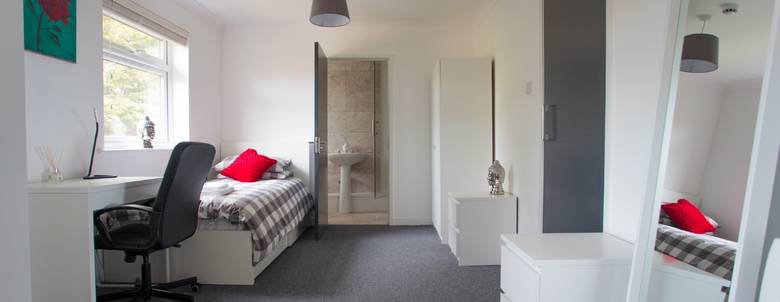
In addition to traditional detox methods, we integrate holistic approaches such as yoga, meditation and nutritional support, all aimed at promoting overall well-being and recovery. This approach addresses the physical aspects of detox but also nurtures your emotional health.
Once detox is complete and you are considered fit to continue treatment, you will take part in therapy sessions, both individually and in groups. These sessions aim to help you identify and address the root causes of your addiction.
Therapy
Therapy is a big part of your recovery process as it helps you address the underlying issues that led to your substance use. In rehab, you’ll likely take part in a combination of one-to-one counselling and group therapy. One-to-one counselling provides a safe space for you to explore personal challenges, group therapy provides connection and support with peers who are going through similar struggles.
Cognitive behavioural therapy (CBT) is often a big part of this, helping you identify and change the negative thought patterns that lead to substance use. You’ll learn coping strategies to manage triggers and stress. Family involvement is also important; involving loved ones can strengthen your support network, aid healing and improve communication.
Also art therapy provides a creative outlet for emotional expression so you can explore feelings you can’t put into words. This holistic approach to therapy means you’re not just addressing addiction but also your emotional and psychological well being. By participating in these different therapies you’ll gain valuable insights and skills to support your long term recovery journey. Use this opportunity to grow and heal as it’s a big part of living a healthier substance-free life.
Aftercare
Relapse prevention is the focus of aftercare. You’ll learn coping strategies tailored to you to manage life’s stresses without using substances. Family involvement is also encouraged as having a strong support network can make a big difference to your recovery journey. Involving loved ones can help create a supportive environment and reinforce healthier habits.
Also wellness activities are an important part of your ongoing recovery. Whether it’s yoga, meditation or fitness classes these activities promote physical and mental well-being and help you stay grounded. By being in aftercare you’re not just leaving rehab you’re building a sustainable healthy lifestyle that supports your long-term recovery.
A Typical Day in Residential Rehab
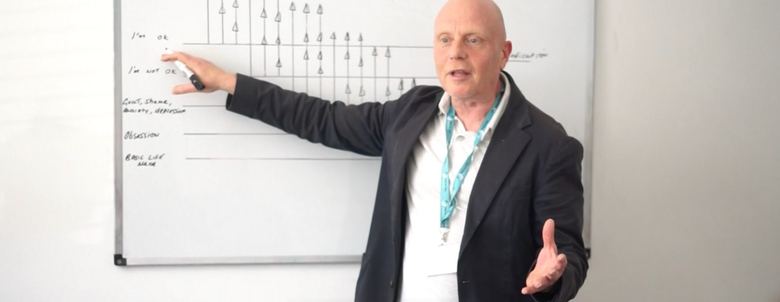
A typical day at The Lighthouse involves a structured routine designed to support your recovery. Mornings usually start with a nutritious breakfast, followed by medication management if you’ve been prescribed medication for detox or other co-occurring disorders. After breakfast, you’ll engage in various therapies. These may include individual counselling, group therapy sessions and other holistic activities such as art or music therapy.
Around midday, you’ll have the opportunity to take part in group activities to connect with others. These are important for building community and sharing experiences.
In the afternoon, mindfulness practices such as meditation or yoga come into play, encouraging you to develop coping strategies and enhance self-awareness. Family involvement is often integrated into the schedule, allowing your loved ones to participate in family therapy sessions that strengthen communication and support.
As the day wraps up, you’ll engage in goal-setting exercises, reflecting on your progress and establishing objectives for the future. This structured environment aims to empower you on your journey to recovery, making sure you feel supported every step of the way.
A Typical Day Of In-Patient Rehab
Morning:
- AM – Wake up & have breakfast: Start your day with a balanced meal so you can focus on healing
- AM – Medication: Take your prescribed medication.
- AM – Therapy sessions: One-to-one and group therapy or holistic therapies like art or music therapy.
Midday:
- PM – Group activities: Peer-led activities to connect and share.
- PM – Lunch
Afternoon:
- PM – Mindfulness/yoga: Holistic therapies to help you develop coping strategies and self awareness.
Evening:
- PM – Written work/exercises: Reflect on your progress and set goals for the future.
- PM – Relaxation & free time: Wind down and get ready for bed.
As well as medical and psychological care the environment of rehab is designed to bring some structure back into your daily life. Organisation and personal responsibility are often lost through addiction. At Step by Step Recovery we want to make sure you feel supported every step of the way.
In addition to receiving medical and psychological care, the environment of rehab is designed to return some structure to your everyday life. Organisation and personal responsibility are often affected as a result of addiction. At Step by Step Recovery, we want to ensure you feel supported throughout your recovery.